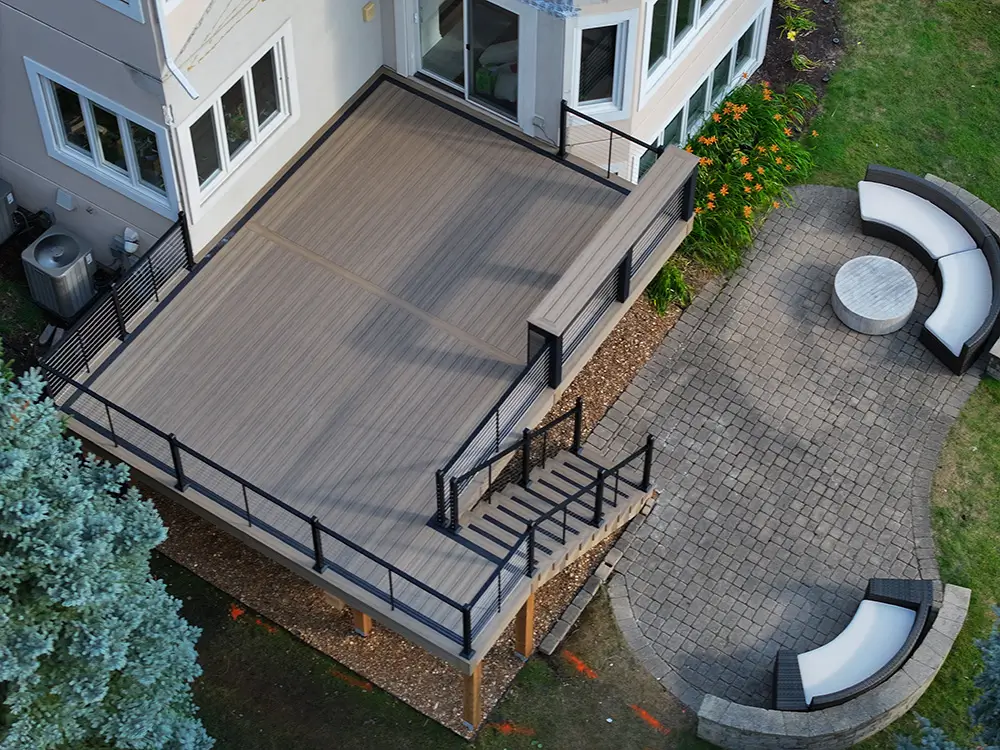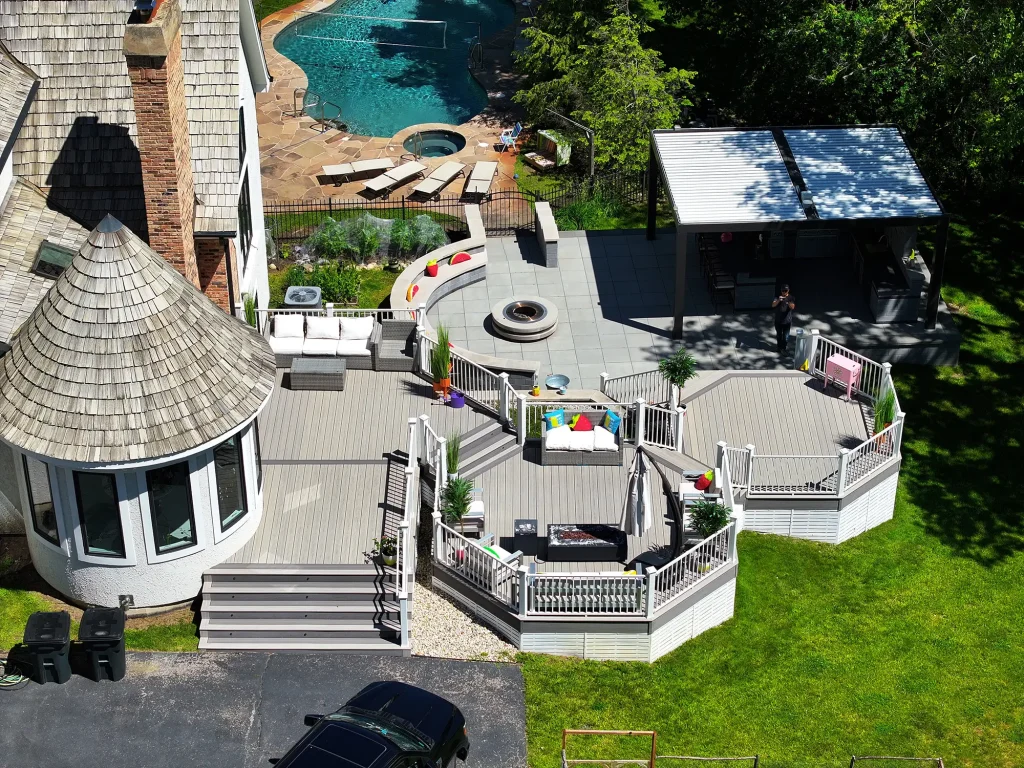
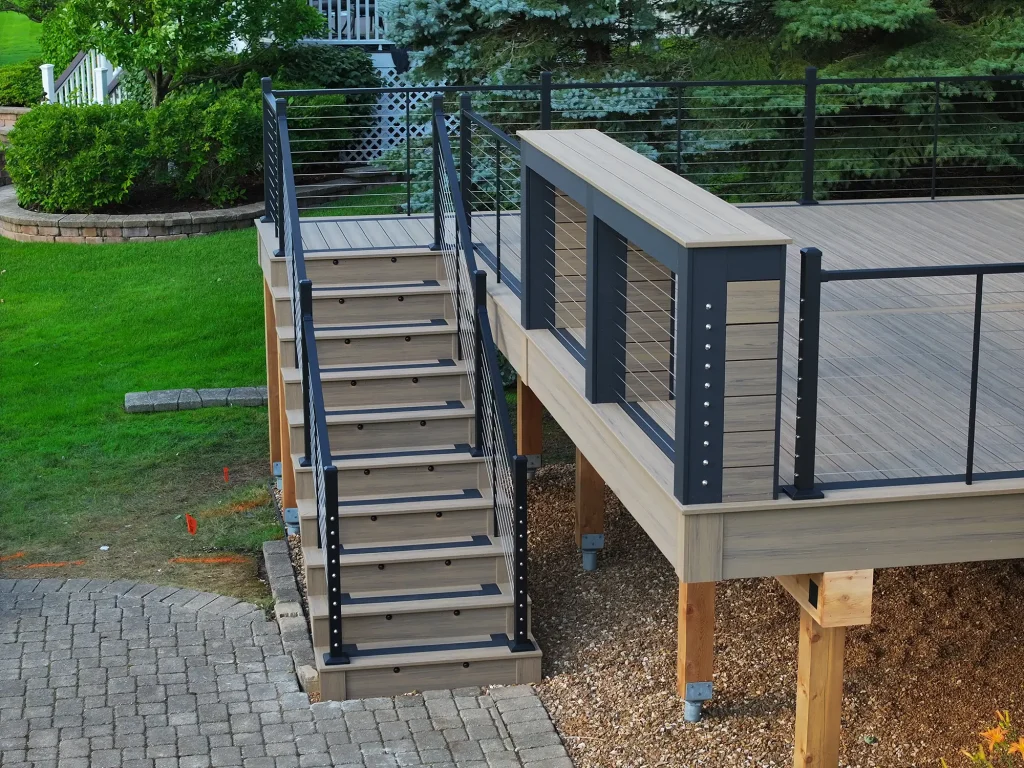
You did the responsible thing. You hired a contractor, pulled the City of Naperville permit, picked out the boards, and then a letter landed from the homeowners association: the deck cannot be built as drawn. Or maybe you have not broken ground yet, and you have heard enough stories from neighbors to want the HOA part handled correctly the first time.
I build decks in Naperville for a living, and the architectural review board trips up more homeowners than the city permit ever does. The two approvals get confused constantly, so start here: the City of Naperville looks at whether your deck is safe and built to code. Your HOA looks at whether it fits the look of the subdivision. Different questions, different reviewers, and clearing one does not clear the other.
This is a plain guide to why Naperville HOAs reject decks, how to fix a rejection you are already holding, and how to keep from getting one on your next build. It is the same advice I give homeowners who call our office on the Naperville deck line after a board sends their plans back.
Why your HOA can reject a deck the city already approved
Almost every deck in Naperville runs through two separate tracks, and they run at the same time.
The first track is the city building permit. The Building Department wants a site plan, a framing plan with your joist and beam spans called out, footing depth, and setback measurements from your lot lines. As of April 1, 2026, new permit submittals also have to follow the 2024 ICC codes the city adopted, which tightened up ledger flashing and railing load details. You can read the city’s own requirements on the official Deck, Patio and Shed Permit page. That track is about safety and structure.
The second track is your HOA’s architectural review. This board does not care about joist spans. It cares about materials, color, railing style, height, placement, and how the finished deck reads from the street or a shared space. A city plans examiner can stamp your drawings while your HOA board sends the exact same deck back. Both are real. Both have to say yes before you build.
The short version: a city permit means your deck is legal to build. HOA approval means your deck is allowed in your neighborhood. If your subdivision has a review board, you need both, and a lot of rejections come from homeowners who assumed the permit settled it.
The reasons Naperville HOAs reject decks most often
After enough of these, the objections start to rhyme. Here is what actually gets decks kicked back around here, roughly in the order I see them.
- Color. The board has an approved palette, and a railing or board color that falls outside it is the single most common flag. Railing color in particular gets scrutinized because it stands out against the house.
- Railing style. Some subdivisions allow cable railing, some want it to match existing wood or metal, and some ban certain looks outright. A cable rail that reads as too modern for a traditional street gets rejected on style alone.
- Material. A covenant may allow only certain composite lines, or require the deck to match the trim on your house. We install composite and wood, so we can usually build to whatever the board allows once we know the rule.
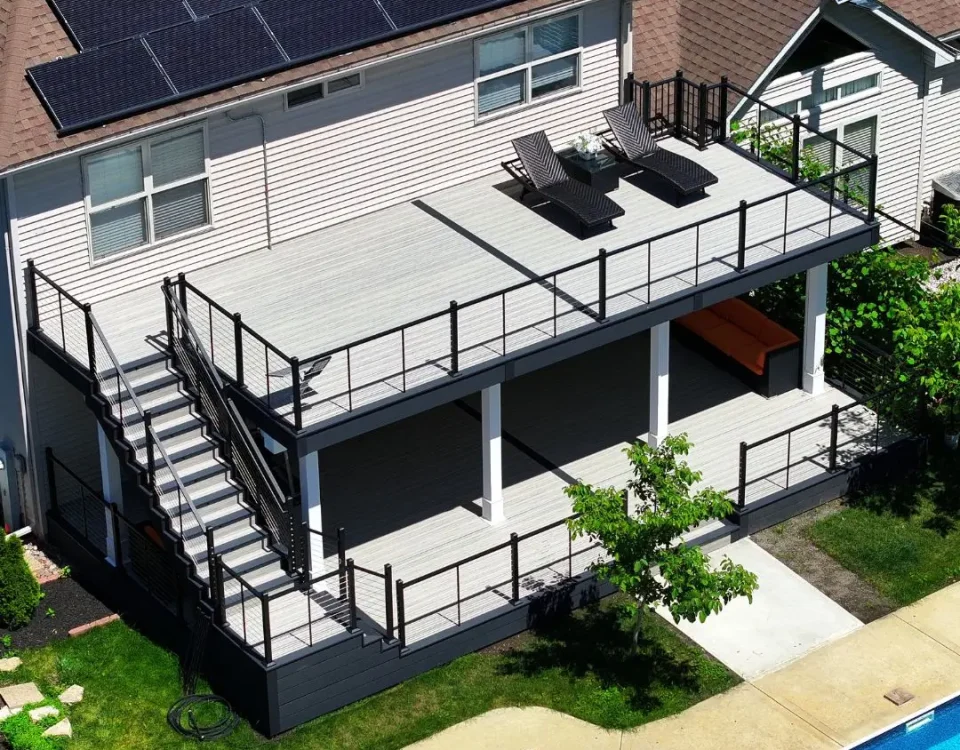
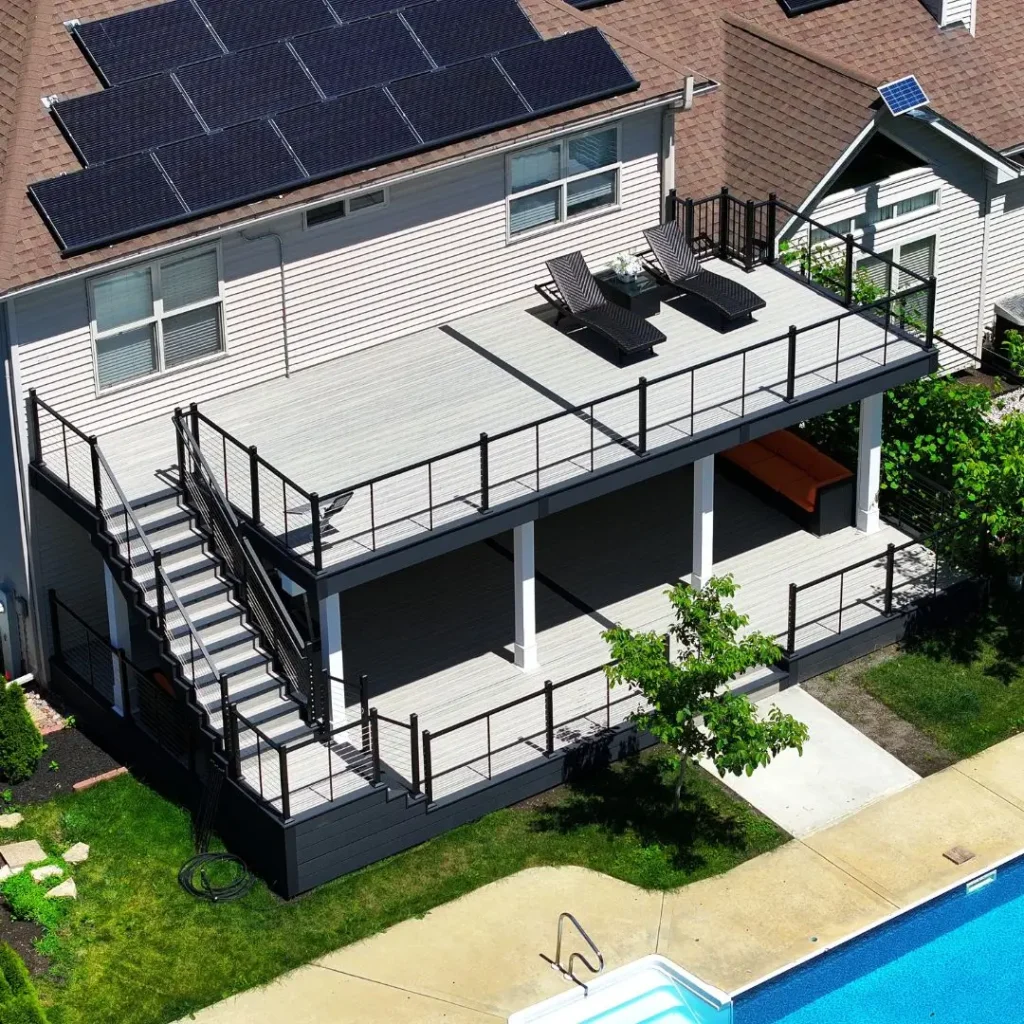
- Height and how it reads. An elevated deck that towers over a fence line or a neighbor’s yard draws attention. On a sloped lot, the way you handle the drop matters, which is one reason we sometimes recommend steel framing to keep the structure clean and low-profile.
- Placement and setbacks. Your HOA can require a bigger setback from a lot line than the city does. Meeting the city minimum is not the same as meeting the covenant.
- Sightlines. If your yard backs a golf course, a pond, a retention area, or a common walkway, the board often reviews how the deck looks from that side, not just from your patio door.
- An incomplete package. Plenty of rejections are not aesthetic at all. The board could not review the submittal because the drawing, the materials list, or the color spec was missing. That one is the easiest to fix.
- No submittal at all. Building first and asking later is how a homeowner ends up ordered to tear a finished deck down or repaint the rails.
Which Naperville subdivisions run architectural review
Not every Naperville neighborhood has a review board, but many of the planned subdivisions do, and the packages they want vary. Tall Grass, White Eagle, and Ashbury all ask for a submittal before you build: a drawing, the materials, the color, and sometimes the railing style spelled out.
White Eagle is a good example of why the details matter. The board there tends to ask about railing color and how the deck reads from the golf course side of the property. If you design without that in mind, you can pass the city, order your materials, and still get sent back to change the rails. So on those lots we plan the golf-course elevation up front instead of redrawing after a rejection.
If your subdivision has a board we have not built in yet, we find out what it wants before drawing anything. The covenant, the CC&Rs, or the design review guidelines will spell out the rules. Your management company can send you the current version, and it is worth reading the exact language rather than relying on what a neighbor remembers.
How to fix a deck rejection you already have
A rejection feels final. It usually is not. Most come back approved once you answer the specific objection. Here is the order I work through it.
- Read the actual notice, not the summary. Find the exact covenant section or design rule the board cited. A rejection that says “railing not permitted” points you somewhere very different than one that says “materials list incomplete.”
- Sort the objection into one of two buckets. Either the board did not like something about the design, or the board could not review it because the package was thin. Those get fixed in completely different ways.
- If it is a design objection, revise to the rule. Change the railing to an approved style, swap the board or rail color to one on the palette, adjust the setback, or lower the profile. Redraw the elevation so the change is obvious.
- If it is a documentation gap, fill it. Add the missing site plan, the materials list, the color chips, the railing detail, or the sightline elevation from the side the board cares about.
- Resubmit and confirm the clock. Ask the management company how long the next review takes and whether it goes to the full board or a single reviewer. Build that window into your schedule so your crew is not sitting idle.
- If it is a genuine covenant conflict, ask about precedent or a variance. Pull up an approved deck a few doors down and ask why yours is different. Boards grant exceptions, especially when a neighbor already has the thing you are being denied.
How to avoid a rejection on your next build
Fixing a rejection costs you weeks. Avoiding one costs you an afternoon of prep. A few habits keep our Naperville jobs moving.
- Submit the HOA package before you build, never after. Approval in hand is the only version that protects you.
- Find a neighbor’s approved deck and use it as precedent. If the board signed off on cable railing across the street, that is your argument.
- Pre-clear color and material with the board before you order anything. A five-minute email beats a warehouse full of the wrong boards.
- Design to the sightline the board watches. Golf course, pond, or street, draw that elevation first.
- Hire a builder who has been through your subdivision’s review. Knowing what Tall Grass or White Eagle asks for before the first post goes in is most of the battle.
What the HOA and the city each want to see
People mix these up, so here they are side by side. You assemble both packages, and they do not overlap much.
| City of Naperville permit | HOA architectural review |
|---|---|
| Site plan, framing plan with joist and beam spans, footing depth, setbacks from lot lines, and drawings that meet the 2024 ICC codes for any permit filed on or after April 1, 2026. Reviewed for safety and structure. Applied for through the city’s Civic Access portal. | A deck drawing, the materials, the color, and often the railing style. Some boards also want an elevation from a shared side of the property. Reviewed for how the deck fits the neighborhood. Submitted to your management company or design review board. |
One more thing the two share: setbacks. The city has a minimum, and your covenant can require more. Always design to the stricter of the two, because meeting one and missing the other still stops the job.
A White Eagle deck, and how the golf-course side changed it
Here is how the sightline problem plays out in practice. A homeowner on a White Eagle lot wanted cable railing and a dark board. On the patio-door side, it looked great. From the golf course behind the property, the board wanted the railing color to sit quietly against the house rather than draw the eye. We drew the golf-course elevation as part of the first submittal, matched the rail color to what the board had approved on that street, and the package cleared without a second round. The homeowner got the cable rail they wanted because we solved the color question before it became a rejection.
That is the whole game with HOA review. The board is not trying to stop your deck. It is trying to keep the street looking consistent, and it will approve almost anything that respects the rules it has already written down.
When the HOA and the city seem to disagree
Once in a while the two tracks pull against each other. The city’s setback lets your deck sit closer to the line than the covenant allows, or the code-required guard height clashes with a railing style the board prefers. When that happens, the covenant does not override the building code, and the building code does not override the covenant. You design to satisfy both at once, which is usually possible with a small adjustment to the footprint or the railing. If it truly is not, the HOA is the one that grants variances, so that conversation starts with your management company.
If you want to see the range of what gets built and approved around here, our project gallery and a walkthrough of how our process works both show real Naperville decks that went through this exact review.
Frequently asked questions
Can an HOA reject my deck even if the City of Naperville approved the permit?
Yes. The city permit and HOA architectural review are separate approvals with different criteria. The city checks safety and code. The HOA checks materials, color, style, and placement. Passing the city permit does not obligate your HOA to approve the same deck, and if your subdivision has a review board you need a yes from both.
What are the most common reasons a Naperville HOA rejects a deck?
Color that falls outside the approved palette, a railing style the covenant does not allow, materials that are not permitted, a deck that sits too high or too close to a lot line, and a submittal package missing the drawing, materials list, or color spec. Building before submitting is another frequent one, and the hardest to undo.
Which Naperville subdivisions require HOA architectural review for a deck?
Many of the planned subdivisions do, including Tall Grass, White Eagle, and Ashbury. Requirements vary by neighborhood. Your covenant, CC&Rs, or design review guidelines list the rules, and your management company can send the current version. If you are not sure whether your neighborhood has a board, ask before you draw anything.
How long does HOA architectural review take in Naperville?
It depends on the subdivision and whether the submittal goes to the full board or a single reviewer, so it can run from a few days to several weeks. This is separate from the city’s plan review, which typically takes two to four weeks. Confirm the review window with your management company so you can schedule the build around it.
What happens if I build my deck without HOA approval?
The board can require you to change the deck to match the covenant, and in some cases to remove it. That can mean repainting railings, swapping boards, or tearing out a finished structure at your own cost. It is far cheaper to get the submittal approved before you build.
Can I appeal or fix an HOA deck rejection?
Usually, yes. Read the exact objection in the notice, then either revise the design to the rule or supply whatever documentation was missing, and resubmit. If the objection is a true covenant conflict, ask the board about a variance or point to an approved deck nearby as precedent. Most rejections come back approved on the second pass.
Does the color of my deck or railing really matter to the HOA?
Often it matters more than anything else. Railing color especially, because it stands out against the house and along the street. Boards that back a golf course, pond, or common area also review the color from that side. Pre-clearing your board and rail color before ordering materials avoids the most common rejection there is.
Do I need both a city permit and HOA approval to build a deck in Naperville?
If you live in a subdivision with a review board, yes. The City of Naperville requires a building permit for any deck attached to the house or any freestanding deck more than 30 inches above grade. Your HOA requires its own architectural approval on top of that. We handle both packages so you are not managing two separate reviews on your own.
About the author
Radu Oprea is the owner of Wolf Spirit Deck, a family-run deck building company in Naperville, IL. He holds Illinois Contractor License #TGC119852, searchable through the Illinois Department of Financial and Professional Regulation. Wolf Spirit Deck has pulled hundreds of Naperville permits and prepared HOA submittal packages for subdivisions across DuPage County, and is a Deckorators Certified Pro Elite, TimberTech Platinum Pro, and TrexPRO builder.
Facing a deck rejection, or want to get the HOA part right the first time?
We prepare the drawing, materials, and color package your board wants, and pull the city permit at the same time.
(312) 765-3998
Request a free on-site quote or contact our Naperville office.
Wolf Spirit Deck, 2020 Calamos Ct, Suite 200, Naperville, IL 60563. Serving Naperville, Aurora, Plainfield, Lisle, Wheaton, Downers Grove, La Grange, Hinsdale, Oakbrook Terrace, and the western suburbs, including zip codes 60540, 60563, 60564, and 60565.