By Radu Oprea, Founder & CEO — Wolf Spirit Deck
As the best deck builders in Naperville, IL, our mission has always been to build beautiful, durable outdoor spaces that last for many years ahead. One of the biggest issues homeowners have in this area is the termite damage. These insects can damage the entire structure if a deck if they are not stopped on time. We have a few strategies that we use to build our new decks to be termite-resistant and as we always get asked about them by potential clients, I decided to write this post to share them with everybody.
1. Smart Material Selection
The first line of defense against termites starts with the materials we choose:
- Pressure-Treated Lumber: We use high-quality, pressure-treated framing lumber with EPA-approved preservatives. This treatment significantly reduces the risk of termite infestation compared to untreated wood.
- Termite-Resistant Species: Where appropriate, we incorporate naturally resistant species such as cedar or redwood for decking boards and accents.
- Composite Decking Options: For homeowners seeking maximum durability with minimal maintenance, we offer premium composite decking products that do not attract termites.
By selecting materials that are inherently less appealing or accessible to termites, we reduce risk at the outset of every project.
2. Engineered Design to Limit Ground Contact
Termites enter most often from the soil. To minimize this, we follow design principles that keep wood components elevated and protected:
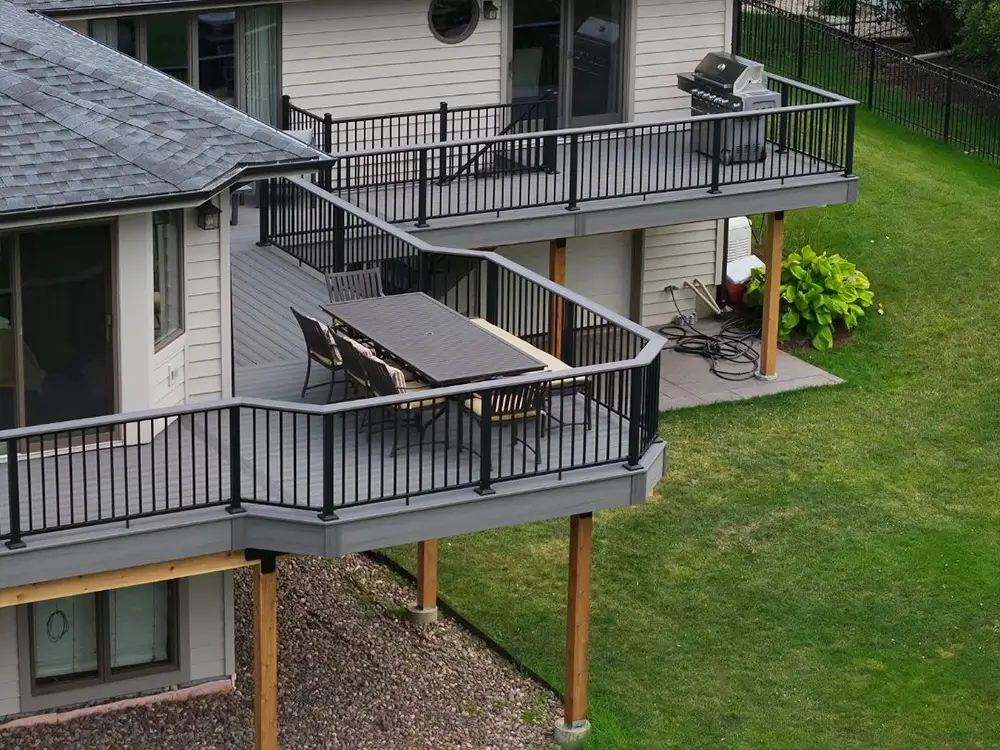
- Concrete Footings & Steel Post Anchors: Instead of placing wood directly on the ground, we set deep, code-compliant footings and use corrosion-resistant steel post bases that isolate the wood from soil contact.
- Proper Ventilation: We design deck framing and joist layouts to promote airflow beneath the structure. Dry, ventilated spaces are far less inviting to termites and moisture-related issues alike.
- Clearances: We maintain proper clearances between structural wood and surrounding landscaping or mulch, reducing termite pathways.
3. Barrier Systems and Termite Shields
When local conditions demand extra protection, we integrate physical and chemical barriers into our construction process:
- Metal Termite Shields: These are installed at key junctures between grade and structural wood. Termites can still be present, but the shields expose them above ground where they are more visible during inspections.
- Approved Treated Sleeves & Wraps: We use industry-accepted sleeves and wraps around piers and posts to add another layer of protection against subterranean pests.
These deterrents are integrated seamlessly into the build and are selected based on site conditions and local building codes.
4. Water Management First, Termite Problems Last
Termites thrive in moist environments. Our approach to water management helps mitigate this risk:
- Sloped Grades & Drainage Planning: Before we break ground, we assess site drainage to ensure water flows away from your home and deck structure.
- Flashing & Drip Edges: These elements protect the ledger board and other critical connections from water exposure.
- Gutter & Downspout Coordination: When necessary, we work with your overall site drainage plan to prevent pooling near structural members.
By keeping wood dry, we make the environment less hospitable to termites and other wood-degrading organisms.
5. Routine Inspections & Customer Education
Even the best construction benefits from periodic review. We provide guidance on:
- What to Look For: Visible mud tubes, blistering wood, or soft spots are common early signs of termite activity.
- When to Call a Professional: If you suspect pest presence, prompt evaluation by a licensed pest control expert can save substantial cost and disruption.
We also offer inspection services and check-ins for our clients who want added assurance over time.
6. Steel Deck Framing
For homeowners seeking the highest level of termite resistance, we also offer steel deck framing. Unlike wood, steel does not provide a food source for termites and is unaffected by rot or moisture-related decay. Steel framing creates a stable, long-lasting substructure that stays straight and strong over time, reducing the risk of pest-related damage. When paired with composite or hardwood decking, steel framing provides an exceptionally durable, low-maintenance solution for clients who want maximum protection and long-term performance from their deck.
Conclusion
And here they are, our strategies on how we build the most durable decks in Naperville, IL area. Steel deck framing and composite boards will make your deck resit termites for over 25 years. Composite materials come with 25 years warranties which makes it a safe choice.
If you’re considering a new deck or concerned about existing termite risk, our team is here to help. We bring craftsmanship, integrity, and a long-term perspective to every project.
— Radu Oprea
Founder & CEO, Wolf Spirit Deck